Platform Detail

The operating model behind governed AI delivery

Agent Control combines operator tooling, intake, queueing, and customer-controlled worker connections so enterprises can scale agent usage with visible controls instead of implicit trust.

Control Plane

Operator console plus execution engine

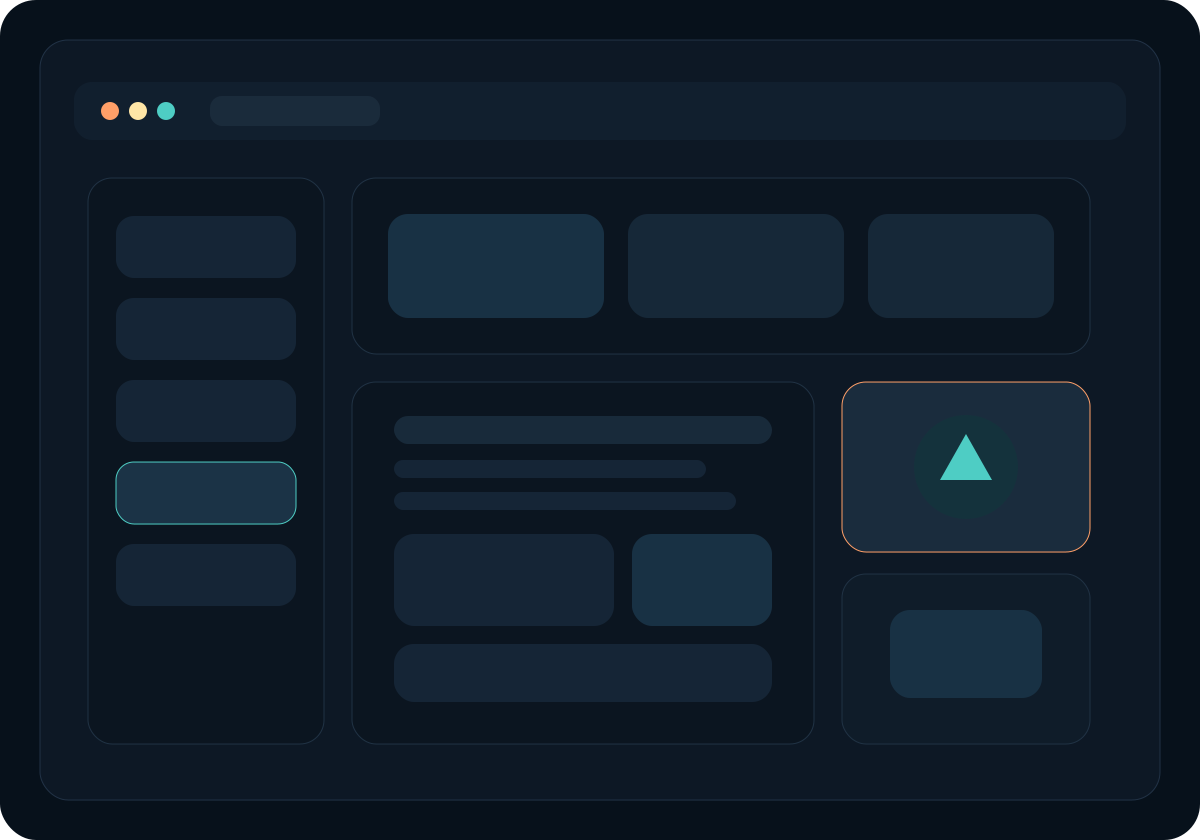
The control plane is the center of execution. It serves the main operator console and coordinates dispatch, approvals, and execution visibility.
  • Run agents against approved workspaces and online daemons.
  • Review Security gates before shell, write, MCP, and canvas-sensitive actions.
  • Track Activity history, live execution streams, and operator notes.
  • Use Sessions for multi-agent collaboration across more than one daemon.
  • Operate Agency desks and Studio Epic planning from the same platform surface.
  • Materialize approved epic plans into Board-ready work items.
Chorus control plane view
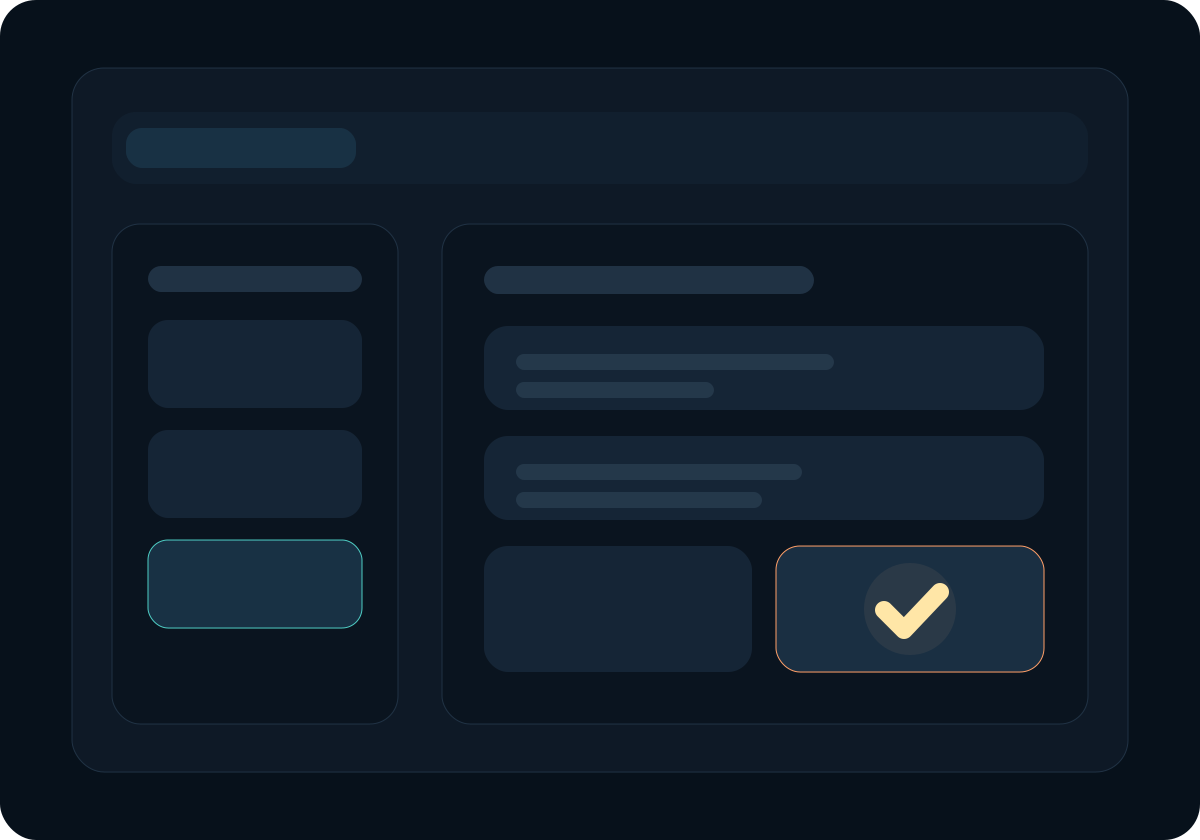
Chorus app onboarding view

App Onboarding

Intake without direct execution

The onboarding portal is the SaaS-facing entry point. It captures organization, project, policy, and enrollment details but does not run agents itself.

  • Separates buyer and implementation intake from live agent execution.
  • Supports the RFP conversation with a clear portal for setup and control-plane enrollment.
  • Uses an enqueue-only job API so execution authority remains with the control plane.
  • Creates a cleaner handoff between vendor-managed onboarding and customer-governed runtime operations.

Job Queue

Intent broker with signed status return

The queue service is the connective layer for the dual-control-plane model. It holds work intents and status events while keeping the connectivity direction simple.
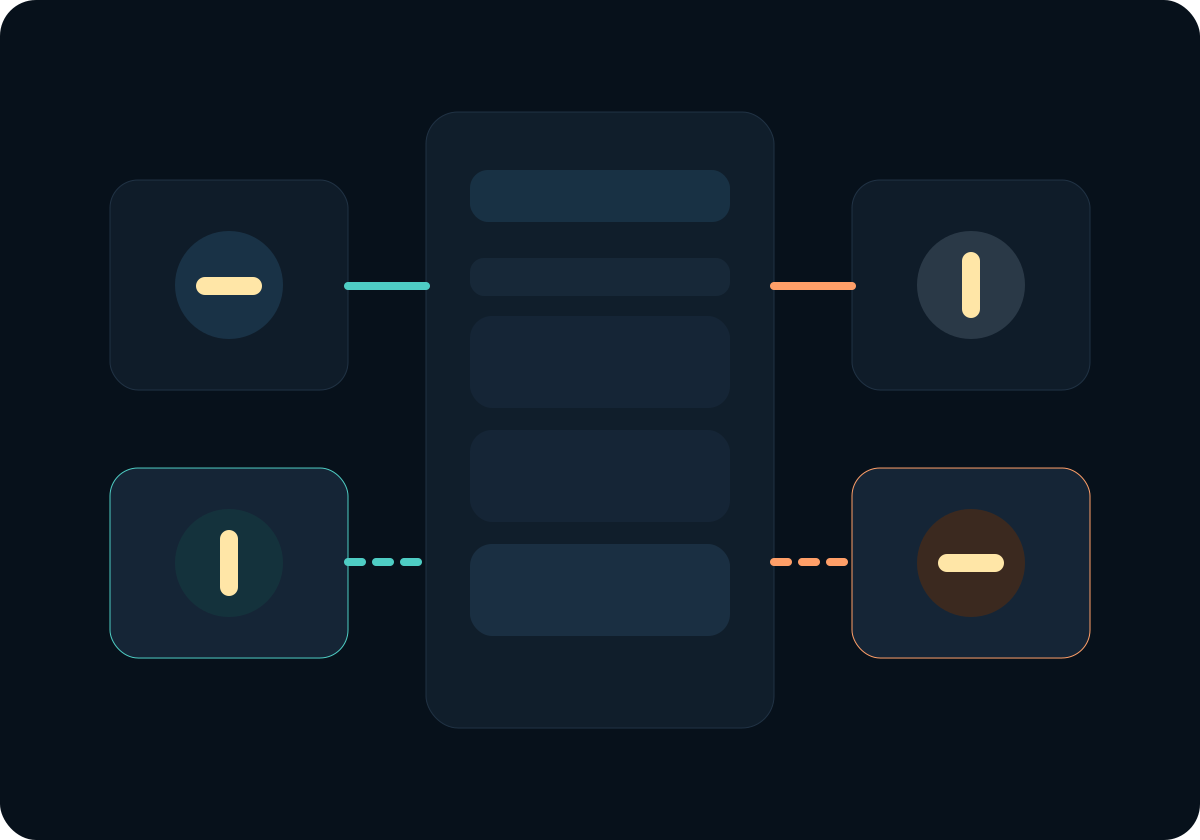
  • Customer control planes pull work instead of accepting inbound traffic from SaaS.
  • Status events flow back through signed messages so onboarding stays aware of execution progress.
  • The queue does not import or act as the execution engine.
  • This separation helps explain the architecture to security and infrastructure reviewers.
Chorus job queue view

Core Workflows

The capabilities that turn governance into daily operations

Agency desks

Structure multi-role handoffs, deliverables, retry limits, and producer review around real business workflows.

Studio Epic planning

Turn short briefs into reviewed planning packs and Board-ready work while preserving auditable approval checkpoints.

Sessions

Coordinate two or more online daemons while preserving each daemon’s own workspace boundary and approval model.

Canvas

Preview approved HTML output in a sandboxed flow so generated interfaces do not silently become live content.

What Chorus Is

An operator platform

  • Coordinates AI workers you already choose and start.
  • Adds approvals, execution visibility, and structured collaboration.
  • Connects business intake to governed execution flows.

What Chorus Is Not

Not a hosted black box

  • Not a system that secretly launches agents on your behalf.
  • Not a replacement for operator review when sensitive actions occur.
  • Not a flattened architecture that ignores customer network constraints.